The skincare and beauty industry is a very competitive market with trends shifting more quickly than traditional industries. The beauty industry is projected to hit $450 billion globally, there are always new trends and searches emerging. Below is a case study of Foundation Skincare and the work we did around Azelaic Acid.
How to Rank for “Azelaic Acid”: A Real Example from Foundation Skincare
Ranking for competitive skincare keywords like “azelaic acid” isn’t easy. It’s a high-intent keyword with strong competition from large skincare brands, dermatology sites, and retailers.
Yet Foundation Skincare is performing well for this keyword and their strategy offers a great blueprint for how to rank for competitive SEO terms.
Here’s the step-by-step process used to rank for “azelaic acid” and how you can apply the same strategy.
Step 1: Understand the Search Intent Behind “Azelaic Acid”
Before writing anything, you need to understand what users actually want when they search “azelaic acid.”
Typically, users searching this keyword want:
- What is azelaic acid
- Benefits of azelaic acid
- Best azelaic acid products
- How to use azelaic acid
- Azelaic acid for acne / rosacea / hyperpigmentation
Foundation Skincare created content aligned with this exact intent. Additionally, we did keyword research and found that people were searching for azelaic acid medical grade and azelaic acid 15%, which we deemed as low-hanging fruit. We produced content around the keyword research and data. For example, their educational article explains:
- What is azelaic acid
- Azelaic Acid 15% VS Azelaic Acid 5%
- Benefits for acne, rosacea, and pigmentation
- How to incorporate it into a skincare routine
This matches Google’s preferred content type for informational keywords.
Step 2: Build Topical Authority Around “Azelaic Acid”
One page rarely ranks by itself. Google rewards topic authority. We built our several landing pages, blogs and product pages all related to Azelaic Acid. Foundation Skincare built multiple supporting articles such as:
- What is Azelaic Acid
- Azelaic Acid Benefits
- Product comparisons
- How to use azelaic acid
- Skin condition–specific content
For example, their comparison article discusses:
- Acne
- Rosacea
- Hyperpigmentation
- Hormonal breakouts
- Skin texture improvements
This helps Google understand that the site is an authority on azelaic acid, not just selling a product.
Step 3: Create Product + Educational Content (Hybrid SEO Strategy)
Many brands make the mistake of only creating product pages. Foundation Skincare did both:
Educational Content
- What is azelaic acid
- How to use azelaic acid
- Benefits
Product Page
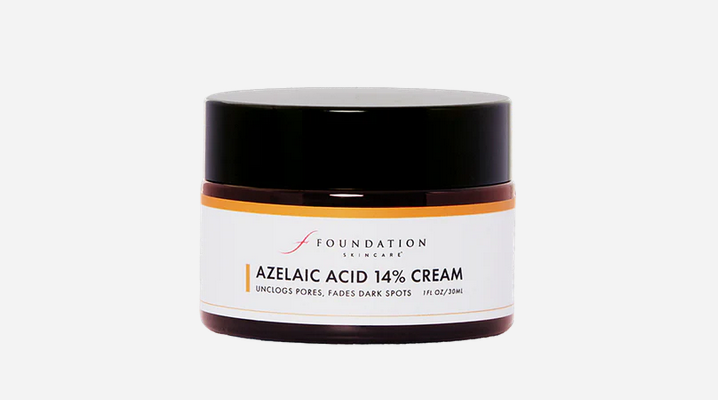
Their Azelaic Acid 14% Cream product page explains:
- Anti-inflammatory properties
- Acne-fighting benefits
- Hyperpigmentation support
- Antioxidant benefits
This educational + commercial combination is extremely powerful for SEO.
Step 4: Target Long-Tail Keywords First
Instead of trying to rank only for “azelaic acid,” Foundation Skincare targeted variations like:
- azelaic acid for rosacea
- azelaic acid for acne
- azelaic acid benefits
- how to use azelaic acid
- azelaic acid vs other ingredients
This builds traffic from lower-competition keywords, which helps the site eventually rank for the primary keyword.
This is a common SEO strategy; experts often recommend targeting long-tail keywords first before competing for high-volume terms.
Step 5: Use Medical Credibility (E-E-A-T)
Foundation Skincare has a major advantage:
- Dermatologist formulated
- Science-backed ingredients
- Medical positioning
This builds E-E-A-T (Experience, Expertise, Authority, Trust) — a key Google ranking factor. Their site highlights:
- Dermatologist involvement
- Medical-grade ingredients
- Evidence-based formulations
This signals authority to Google.
Step 6: Optimize On-Page SEO
Foundation Skincare pages include:
- Keyword in title
- Keyword in headings
- Educational content
- Internal links
- Product integration
Example structure:
- H1: Azelaic Acid: What It Is & Best Ways to Use It
- H2: Benefits
- H2: Who Should Use It
- H2: How to Use
This aligns with Google SEO best practices.
Step 7: Build Internal Links
Foundation Skincare links:
- Blog → Product page
- Blog → Related articles
- Product → Educational content
This helps Google:
- Understand content relationships
- Increase authority
- Improve rankings
Step 8: Match Google’s Content Quality Expectations
Azelaic acid is becoming increasingly popular because it:
- Reduces acne
- Improves pigmentation
- Calms inflammation
- Works for sensitive skin
Foundation Skincare capitalized on this trend with high-quality educational content.
The SEO Playbook That Worked
Here’s the exact strategy Foundation Skincare used:
- Identify high-intent keyword (“azelaic acid”)
- Understand search intent
- Create educational content
- Build supporting long-tail articles
- Create product page
- Link content together
- Add credibility (dermatologist authority)
- Optimize on-page SEO
Why This Strategy Works
Google rewards:
- Topic authority
- Helpful content
- Expertise
- Internal linking
- Search intent matching
Foundation Skincare implemented all of these.
That’s why they’re performing well for “azelaic acid.”
How to Replicate This Strategy
If you want to rank for a competitive skincare keyword:
Step-by-Step
- Pick a primary keyword
- Build 5–10 supporting articles
- Create a strong product page
- Interlink content
- Add authority signals
- Optimize on-page SEO
- Update content regularly
Final Thoughts
Ranking for “azelaic acid” isn’t about one blog post — it’s about building authority around the topic.
Foundation Skincare is a great example of how:
- Educational content
- Product positioning
- Authority signals
- Internal linking
…can combine to rank for competitive keywords.
And the best part?
This strategy can be repeated for:
- Retinol
- Niacinamide
- Vitamin C
- Hyaluronic acid
Build topical authority, and rankings follow.